How to Remove Trespassers from Your Property

Al Spadine • October 10, 2024
Trespassers from Your Property

Leasing out a property for long or short stays can help you earn a nice passive income. However, unwanted trespassers can pose various challenges related to security and privacy. They might step inside your private garden, cross a gate without authorization, damage the property, steal something valuable, or even start living on the premises without permission. A guest or tenant who refuses to leave when asked or when their lease ends can also be considered a trespasser. So, how to remove someone from your property the right way?

Read on to better understand trespassing, learn how to spot a trespasser, and know the steps to take to deal with the offender while protecting yourself, your loved ones, and your property. 

Legal Trespass Definition 

When an individual intentionally enters or encroaches on another person’s property without the owner’s (or their agent’s) permission or any legal authority, it is considered trespassing. 

You can levy criminal or civil charges against the offender depending on their action and local laws. For instance, you can file a civil lawsuit against someone who breaks into your property and smashes a window. On the other hand, if they harm you bodily or steal something, you can sue them in a criminal court. In any case, unwanted trespassers usually face legal consequences like fines, imprisonment, and community service. However, this can vary across jurisdictions. 

Ways to Identify Trespassers 

Before you find out how to remove someone from your property, it is vital to identify the offenders correctly. Keep an eye out for: 

  • Those who enter your property without your consent or knowledge (including those who bypass fences, locked gates, or barriers)
  • Tenants or visitors who overstay their welcome (continue to occupy the property even after lease expiry)
  • Those who ignore your verbal or written request to leave the property
  • Individuals behaving suspiciously (like trespassing on surrounding properties, loitering, engaging in unlawful activities)
  • Signs of property damage (indicating unauthorized entry or occupation) 
  • Reports from tenants or neighbors who have witnessed people entering your property illegally 

How to Get Someone off Your Property 

Dealing with a trespasser is a step-by-step process that helps you approach the matter in an appropriate manner. Otherwise, you might end up weakening your case or committing an unwanted error. 

  • Be Aware of Your Rights: Seek the advice of an experienced and reputed lawyer or law firm that specializes in property-related laws. They will be aware of local and state regulations and can advise you on the next steps. They can even represent you if required. 
  • Handle Any Immediate Danger: In case you think the trespasser might cause any harm or injury to the property, you, or a loved one, contact emergency services or law enforcement. Prioritize personal safety always. 
  • Serve Verbal or Written Notice: If you are wondering how to charge someone with trespassing, first speak to them or issue a written notice that asks them to vacate the grounds or premises immediately. Include details like the date, time, and the reason behind the notice. Clearly mention the consequences if the trespasser fails to comply with the notice. You can also put up signs that indicate your property is private and cannot be accessed without authorization. 
  • Offer Trespassers the Chance to Leave Voluntarily: If a trespasser leaves your property on their own accord, you can avoid the hassle of further escalation or legal recourse. So, give them that opportunity. 
  • Get Clarity on the Eviction Process: How to remove someone from your property if they refuse to leave even after you serve them a notice? In such a scenario, you might need to file an eviction. However, be clear about the process beforehand, as it might depend on your state and local laws. Consult a lawyer to understand the rules and restrictions, the steps to follow, the forms to fill out, and the evidence you need to present. 
  • Document Everything: Document all interactions and communications with the trespasser as well as the notices served. In case of legal proceedings, these will act as evidence. 
  • Understand Self-Defense Laws: As the landlord, you have the right to protect your property, yourself, and your family against any harm that the trespasser perpetrates. However, using fatal force to do the same is generally illegal. So, go through self-defense laws and be aware of the kind and amount of force you can use to remove trespassers. It is also advisable to contact the police in serious situations instead of handling it yourself.   

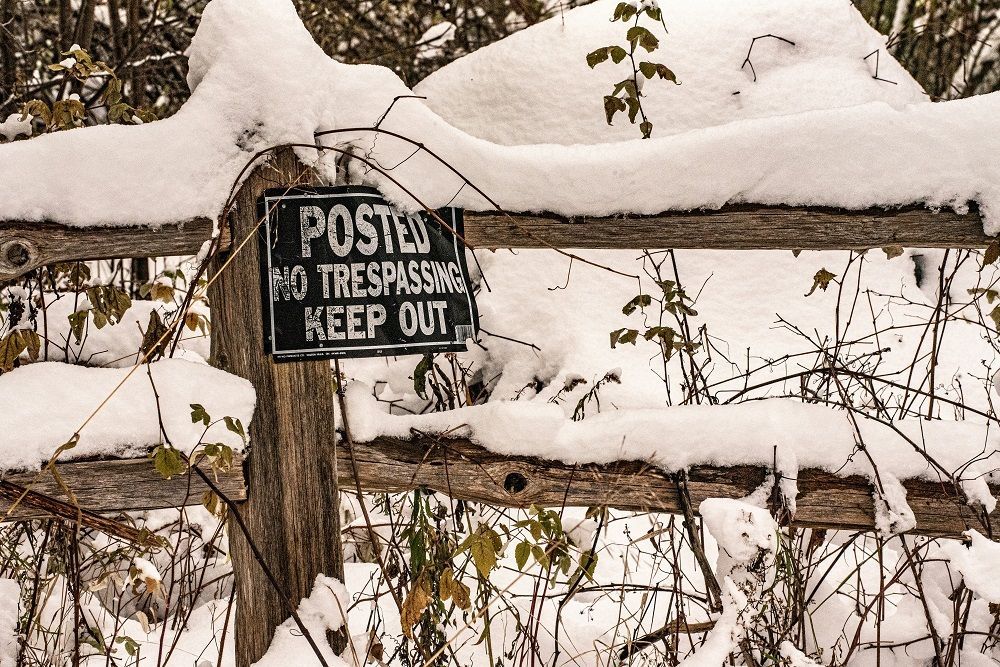
Trespassing is a problem that might crop up repeatedly if you are not careful. So, besides following the above steps to deal with offenders, you must also know how to keep someone off your property. Installing a home security system and putting up signs that say ‘Private Property’ or ‘No Trespassing’ can help. You can also set up motion sensor lights and outdoor cameras around your property. If your property is vacant, visit and inspect it occasionally for signs of unwanted trespassers. 

Conclusion 

A trespasser can be a source of significant stress and worry. It is essential to know how to effectively resolve trespassing-related disputes and avoid the possibility altogether to minimize the possibility of long-drawn and expensive legal disputes.

Although you may be aware of how to remove someone from your property by now, handling the entire process alone can be stressful. If your primary job takes up a lot of your time or you live far from the rental property, the problem can be magnified. 

Hiring a reputed and experienced

property management

company can be helpful in such cases. They will not only know about the different laws and regulations that apply to trespassing incidents in your area but can also deal with the issue without you having to spend a lot of time and energy. 

Resolve Trespassing Issues with Guardian Property Management

For effective handling of trespassing disputes, trust

Guardian Property Management

. Our experienced team is well-versed in local laws and regulations concerning trespassing and can manage these issues efficiently, saving you time and effort. If you are located in the Greater Twin Cities area,

contact Guardian Property Management

 today to ensure your property is protected.

Schedule a consultation by calling us on 651-287-2011 or sending an email to 

info@guardianprop.com


Share this post

November 24, 2025
TL;DR Single-family rentals (SFRs) promise steady cash flow, long-term value, and growth to landlords, but only when managed efficiently. Key property management responsibilities include marketing, tenant screening, lease drafting, rent collection, legal compliance, etc. It’s important to understand such an investment’s financial side too, including management costs, operational expenses, cash flow, ROI, and capital improvement budgeting. Common challenges range from high turnover costs and maintenance emergencies to stress, time investment, and legal risks. Hiring a professional management firm can benefit landlords in many ways (legal knowledge, expertise, tenant screening and retention, maintenance coordination, and financial reporting). Mastering Single-Family Property Management Single-family homes in the U.S. are rented by over 14 million households. That makes single-family rentals (SFRs) a significant part of the housing market, and a smart long-term investment for landlords looking to generate stable income and grow their portfolio. But owning SFRs isn’t just about buying properties; effective management is key. Proper management ensures regulatory compliance, keeps tenants satisfied, and protects your profits. Here’s a closer look at what single-family home property management involves, the financial aspects and challenges, and why hiring professional managers can make a real difference. Core Responsibilities in Managing a Single-Family Home As a landlord of single-family rentals, your responsibilities include: Marketing Units and Acquiring Tenants : Photograph your rentals and market them on both offline and online platforms, prepare listings, screen applications, and focus on finding suitable renters. Screening Tenants and Crafting Lease Agreements : Go through the tenants’ background and credit history, and validate their employment status and income. Don’t forget to obtain security deposits and craft leases in a legally compliant manner. Collecting Rent and Accounting : Establish a transparent and robust system for rent payment, like bank transfer, online portal, mobile app, etc. Additionally, keep a tab on payment delays, create reports every month, and prepare financial statements ahead of the tax season. Handling Repairs and Maintenance : Schedule inspections periodically, tackle maintenance requests at the earliest, and coordinate with contractors and vendors. Also supervise repair jobs to ensure property value doesn’t decline. Managing Tenant Relations and Ensuring Compliance : Stay on top of laws at the local, state, and federal levels (related to fair housing, disclosures, evictions, etc.). Be prompt when addressing complaints, manage lease renewals smoothly, and forge an amicable relationship with tenants. Financial Aspects of Managing Single-Family Rentals To maximize profitability in single-family rental management, landlords must have a clear understanding of the financial aspects involved. Management Costs : Typically, property managers charge between 8% and 12% of the monthly rent. Operational Expenses : These include insurance, property taxes, and capital upgrades, as well as routine maintenance, utilities, and inspections. Analysis of Cash Flow and ROI : Suppose the monthly rent is $2,200, which makes the annual gross rental income $26,400. Operational expenses are estimated at $6,000 per year. A maintenance reserve is calculated at 5% of the annual income, or $1,320. Net operating income (NOI) is therefore $26,400 − $6,000 − $1,320 = $19,080. Based on a $200,000 investment, the cash-on-cash return is ($19,080 ÷ $200,000) × 100, which is approximately 9.5%. I mprovements and Repairs Budgeting : A crucial financial tip for SFR property management is to set aside 5% to 10% of annual rental income for maintenance, including appliance replacements, unexpected repairs, painting, and other upkeep. Single Family Home Property Management: Common Challenges While investing in SFRs offers many benefits, managing them also comes with notable challenges: High Turnover Costs When a tenant moves out, you may need to deep clean and repaint the property, advertise it again, and potentially lose several weeks of rent. This turnover directly impacts your profit margin. To reduce it, consider incentivizing lease renewals with upgrades or discounts, addressing tenant needs promptly, and maintaining clear, consistent communication. Maintenance Emergencies Roof leaks, burst pipes, and HVAC breakdowns are emergencies that can occur at any time. These issues not only require costly repairs but also lead to tenant dissatisfaction. To address this, it is advisable to maintain an emergency fund, establish a network of technicians and plumbers available around the clock, and communicate clearly with tenants. Legal Risks Landlord-tenant laws regarding notice periods, security deposits, evictions, and more are often specific to each state and city. Violating these laws, even unintentionally, can lead to litigation or penalties. Therefore, it is advisable to stay informed about these laws and consult a property attorney on an annual basis. Stress and Time Single-family rental management may be straightforward when dealing with one or two units. However, managing tenant relations, maintenance, regulatory compliance, and rent collection for multiple units can become stressful and time-consuming. This can lead to burnout or operational inefficiencies. The Advantages of Hiring a Professional Property Management Company A property management company can transform home property management into a simpler, hands-off affair. Here are the key benefits of choosing this pathway for your investments: Expertise and Legal Knowhow Experienced property managers are proficient in local, state, and federal rental laws. They are also familiar with building codes, eviction processes, and best rental practices, ensuring your operations and leases are legally compliant. Tenant Screening and Retention Professional property management companies effectively leverage applicant histories, credit score filters, and background check services when selecting tenants. To maintain high occupancy rates, they implement various strategies, such as offering rent discounts, upgrading furnishings, and ensuring prompt repairs, to retain tenants.. Maintenance Coordination Property managers have large and reliable networks of contractors and vendors for different property-related jobs. Hence, they ensure consistent maintenance standards, fast and quality repairs, and affordable services at any time of the day. Efficient Financial Reporting Typically, property management firms provide a detailed breakdown of expenses, financial statements at the end of every month, and summaries at the end of every year. They also utilize advanced software solutions to track maintenance invoices, streamline rent collection, and provide tax-ready reports. Conclusion Ultimately, effective single-family home property management directly determines the profits you can earn from these units. While partnering with a professional property management company can simplify the process, it’s still important to understand the key responsibilities, challenges, and financial aspects of an SFR investment. The right partner can help you manage every aspect of home property management , from legal compliance and tenant relations to vendor coordination, lease preparation, rent collection, and financial reporting. Make the Most of Single-Family Rentals with Guardian Property Management Guardian Property Management has been serving property owners since 2004, offering expert home property management services . We take care of everything for your single-family rentals, from tenant relations to financial reporting, so you can enjoy steady cash flow, strong ROI, and stress-free growth. Contact us today at info@guardianprop.com or on 651-287-2011 . FAQs Q1. How much time does it typically take to manage a single-family rental property? Ans. Managing one such property typically takes around 4 to 8 hours every month for an experienced landlord. However, repairs and tenant turnovers can substantially increase this time. Hence, hiring a property management company is a better idea. Q2. What legal documents should every landlord have for single-family rentals? Ans. Some essential documents to keep for single-family rentals include the rental application, lease agreement, and inspection checklists for move-in and move-out. You should also have notice templates for lease termination, rent increases, and other communications, along with receipts for security deposits, maintenance request forms, and any local compliance documents. Q3. How can landlords reduce vacancy rates in suburban rental properties? Ans. Competitive pricing, reliable maintenance, and modern amenities can help reduce vacancy rates. Additionally, market your properties online with appealing visuals, maintain strong tenant relationships, and offer incentives to encourage lease renewals.
Furnished vs. Unfurnished Rentals
November 15, 2025
The right rental setup can make or break profits. Discover how furnished and unfurnished properties compare in cost, demand, and yield.
 professional property management
By Al Spadine November 5, 2025
Explore how professional property management ensures adherence to laws, reduces risks, and keeps your properties well-managed and compliant.
Show More