Maximize Your Curb Appeal

news • December 26, 2018

Four Key Tips on Maximizing Your Property’s Curb Appeal

We’ve all heard the maxim, “Never judge a book by its cover,” but if we’re honest with ourselves, we rarely follow that advice. It’s human nature to notice a novel decked out in eye-catching art before a drab or ugly one, and a paperback sporting an unsightly tear inevitably sits on the shelf far longer than the pristine copies surrounding it, unless sold at a steep discount.

If first impressions are key in the aisles of your local Barnes & Noble, they’re even more critical in the rental housing market. Potential tenants like to picture themselves in a home they can look at with pride in the evening after a long day at work, and show off to guests on the weekends. If your property’s exterior is unattractive, those fantasies will be deflated before they even walk through the door, and that disappointment will color their perception of what’s inside. A renter who’s impressed from the very first glance, on the other hand, will often pay a premium to turn their dreams of living in your property into reality.
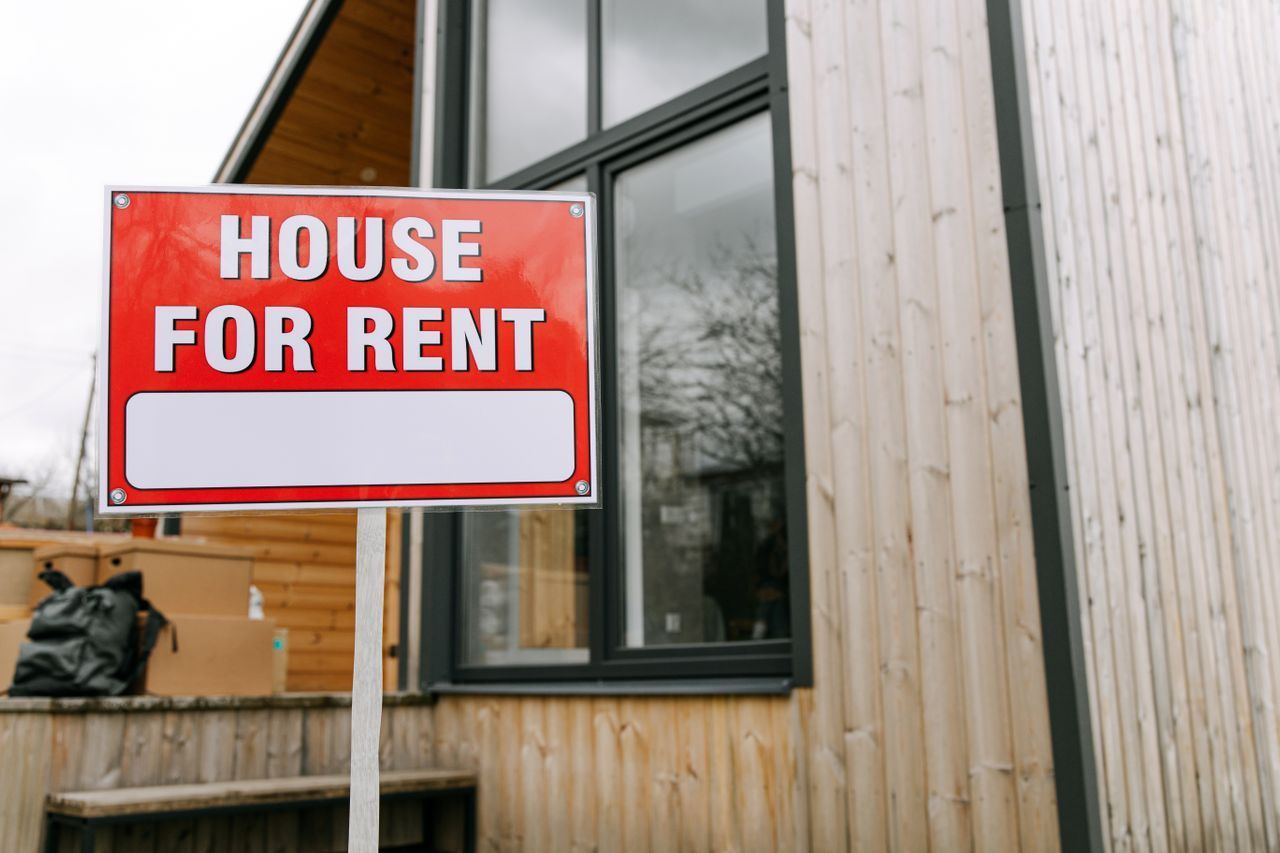
That’s why curb appeal—the impression your property makes from the sidewalk—is so crucial to attracting the right tenants. Below, you’ll find a few useful tips on keeping your properties looking great outside as well as in.

Photograph your property’s good side

In the digital age, you can’t talk about curb appeal without first discussing what might more accurately be called “screen appeal.” Ninety-nine times out of a hundred, a prospective tenant will get their very first glimpse of their next home while browsing rental listings on a laptop or mobile device, so attractive snaps of your property are a must.

The easiest way to ensure your photos show your property at its best, of course, is to hire a professional, but if you choose to go the DIY route, you can still achieve great-looking results as long as you keep a few key variables in mind. Consider foregoing your iPhone in favor of a high-quality digital camera, and pay close attention to the ways in which weather and time of day affect lighting conditions. In addition, don’t forget to update your pics over the course of the year; those festive Christmas decorations may charm prospective tenants in December, but come July they’ll just be a distraction.

Show your lawn some love

This one may sound like a no-brainer, but there are few sights less appealing to a prospective renter than a lawn full of overgrown or dying grass, or one strewn with weeds. A green and well-kept lawn sends the message that you’re a landlord tenants can count on to tend to the details as well as overseeing the big picture.

Weeding, mowing and raking, however, are only the first steps to a truly impressive front lawn. Once you have the basics down, you can get to work adding the flourishes that will make your lawn unforgettable. You don’t need to undertake an extensive landscaping project—though that’s certainly one way to make a big impression. A simple splash of color in the form of a few well-placed flowers can help ensure your property sticks in renters’ minds long after their initial visit.

Make a grand entrance

No, this isn’t about perfecting the way you stride through your property’s foyer—although if you do so, I’m sure renters will appreciate your style and panache. I’m talking about the front door. No matter what else your tenant notices on the on the way in, they’re guaranteed to get an up-close and personal look at your property’s entrance, which makes it one of the most important areas to focus on when it comes to curb appeal.

You’ll want to keep a close eye on the condition of your hardware, making sure the door’s knob and hinges shine and the lock doesn’t stick. If no amount of polish is going to make your hardware look great, it may be time to invest in a fresh, matched set. Once that’s done, you might decide to redo that peeling paint job in a pleasing accent color, and replace those dated lighting fixtures with something a little more contemporary. Then your gaze might travel up to the house numbers. They’ve gotten a little dull, and that hanging “6” with a screw missing looks enough like a “9” to confuse guests and delivery drivers… You get the idea. Each element of your entrance contributes to a prospective renter’s overall perception of your property, and if you can craft an ensemble that’s not only functional, but stylish and cohesive, you’ll come out well ahead of the competition.

Create the perfect social space

Curb appeal may be all about pleasing the eye, but the area of your property visible from the sidewalk isn’t just something pretty for tenants to glance at before they walk through the front door; it’s also a place to relax and unwind, or enjoy the company of friends, family and neighbors. A few simple touches that evoke imagery of social get-togethers and long, lazy afternoons in the sun can go a long way toward helping renters envision themselves in your property.

Does your property sport a cozy front porch or patio? Make the most of it with the help of some well-chosen patio furniture. Even if not, you can still stir up fantasies of summer fun using little more than a few lawn chairs and a table with a colorful outdoor umbrella. Think of your audience as well; couples looking for a great place to raise children might appreciate a swing hanging from the shade tree out front. With imagination and a little elbow grease, you can craft the ideal social setting for any demographic.

Conclusion

Even the most stunning property needs regular maintenance to stay looking sharp, and once you’ve found the perfect tenants, keeping them requires frequent communication from an attentive management team. That’s where Guardian can help.

Guardian’s experienced staff is fully equipped to handle every aspect of your property’s day-to-day maintenance and management, from tenant relations and rent collection to emergency repairs. To learn more about what Guardian Property Management can do for you, call 651-287-2011 or email info@guardianprop.com.

Share this post
Rental Property Management Costs
By Dawn Jameson December 15, 2025
Management fees vary based on property condition and service needs. Understand common pricing and what landlords usually pay.
November 24, 2025
TL;DR Single-family rentals (SFRs) promise steady cash flow, long-term value, and growth to landlords, but only when managed efficiently. Key property management responsibilities include marketing, tenant screening, lease drafting, rent collection, legal compliance, etc. It’s important to understand such an investment’s financial side too, including management costs, operational expenses, cash flow, ROI, and capital improvement budgeting. Common challenges range from high turnover costs and maintenance emergencies to stress, time investment, and legal risks. Hiring a professional management firm can benefit landlords in many ways (legal knowledge, expertise, tenant screening and retention, maintenance coordination, and financial reporting). Mastering Single-Family Property Management Single-family homes in the U.S. are rented by over 14 million households. That makes single-family rentals (SFRs) a significant part of the housing market, and a smart long-term investment for landlords looking to generate stable income and grow their portfolio. But owning SFRs isn’t just about buying properties; effective management is key. Proper management ensures regulatory compliance, keeps tenants satisfied, and protects your profits. Here’s a closer look at what single-family home property management involves, the financial aspects and challenges, and why hiring professional managers can make a real difference. Core Responsibilities in Managing a Single-Family Home As a landlord of single-family rentals, your responsibilities include: Marketing Units and Acquiring Tenants : Photograph your rentals and market them on both offline and online platforms, prepare listings, screen applications, and focus on finding suitable renters. Screening Tenants and Crafting Lease Agreements : Go through the tenants’ background and credit history, and validate their employment status and income. Don’t forget to obtain security deposits and craft leases in a legally compliant manner. Collecting Rent and Accounting : Establish a transparent and robust system for rent payment, like bank transfer, online portal, mobile app, etc. Additionally, keep a tab on payment delays, create reports every month, and prepare financial statements ahead of the tax season. Handling Repairs and Maintenance : Schedule inspections periodically, tackle maintenance requests at the earliest, and coordinate with contractors and vendors. Also supervise repair jobs to ensure property value doesn’t decline. Managing Tenant Relations and Ensuring Compliance : Stay on top of laws at the local, state, and federal levels (related to fair housing, disclosures, evictions, etc.). Be prompt when addressing complaints, manage lease renewals smoothly, and forge an amicable relationship with tenants. Financial Aspects of Managing Single-Family Rentals To maximize profitability in single-family rental management, landlords must have a clear understanding of the financial aspects involved. Management Costs : Typically, property managers charge between 8% and 12% of the monthly rent. Operational Expenses : These include insurance, property taxes, and capital upgrades, as well as routine maintenance, utilities, and inspections. Analysis of Cash Flow and ROI : Suppose the monthly rent is $2,200, which makes the annual gross rental income $26,400. Operational expenses are estimated at $6,000 per year. A maintenance reserve is calculated at 5% of the annual income, or $1,320. Net operating income (NOI) is therefore $26,400 − $6,000 − $1,320 = $19,080. Based on a $200,000 investment, the cash-on-cash return is ($19,080 ÷ $200,000) × 100, which is approximately 9.5%. I mprovements and Repairs Budgeting : A crucial financial tip for SFR property management is to set aside 5% to 10% of annual rental income for maintenance, including appliance replacements, unexpected repairs, painting, and other upkeep. Single Family Home Property Management: Common Challenges While investing in SFRs offers many benefits, managing them also comes with notable challenges: High Turnover Costs When a tenant moves out, you may need to deep clean and repaint the property, advertise it again, and potentially lose several weeks of rent. This turnover directly impacts your profit margin. To reduce it, consider incentivizing lease renewals with upgrades or discounts, addressing tenant needs promptly, and maintaining clear, consistent communication. Maintenance Emergencies Roof leaks, burst pipes, and HVAC breakdowns are emergencies that can occur at any time. These issues not only require costly repairs but also lead to tenant dissatisfaction. To address this, it is advisable to maintain an emergency fund, establish a network of technicians and plumbers available around the clock, and communicate clearly with tenants. Legal Risks Landlord-tenant laws regarding notice periods, security deposits, evictions, and more are often specific to each state and city. Violating these laws, even unintentionally, can lead to litigation or penalties. Therefore, it is advisable to stay informed about these laws and consult a property attorney on an annual basis. Stress and Time Single-family rental management may be straightforward when dealing with one or two units. However, managing tenant relations, maintenance, regulatory compliance, and rent collection for multiple units can become stressful and time-consuming. This can lead to burnout or operational inefficiencies. The Advantages of Hiring a Professional Property Management Company A property management company can transform home property management into a simpler, hands-off affair. Here are the key benefits of choosing this pathway for your investments: Expertise and Legal Knowhow Experienced property managers are proficient in local, state, and federal rental laws. They are also familiar with building codes, eviction processes, and best rental practices, ensuring your operations and leases are legally compliant. Tenant Screening and Retention Professional property management companies effectively leverage applicant histories, credit score filters, and background check services when selecting tenants. To maintain high occupancy rates, they implement various strategies, such as offering rent discounts, upgrading furnishings, and ensuring prompt repairs, to retain tenants.. Maintenance Coordination Property managers have large and reliable networks of contractors and vendors for different property-related jobs. Hence, they ensure consistent maintenance standards, fast and quality repairs, and affordable services at any time of the day. Efficient Financial Reporting Typically, property management firms provide a detailed breakdown of expenses, financial statements at the end of every month, and summaries at the end of every year. They also utilize advanced software solutions to track maintenance invoices, streamline rent collection, and provide tax-ready reports. Conclusion Ultimately, effective single-family home property management directly determines the profits you can earn from these units. While partnering with a professional property management company can simplify the process, it’s still important to understand the key responsibilities, challenges, and financial aspects of an SFR investment. The right partner can help you manage every aspect of home property management , from legal compliance and tenant relations to vendor coordination, lease preparation, rent collection, and financial reporting. Make the Most of Single-Family Rentals with Guardian Property Management Guardian Property Management has been serving property owners since 2004, offering expert home property management services . We take care of everything for your single-family rentals, from tenant relations to financial reporting, so you can enjoy steady cash flow, strong ROI, and stress-free growth. Contact us today at info@guardianprop.com or on 651-287-2011 . FAQs Q1. How much time does it typically take to manage a single-family rental property? Ans. Managing one such property typically takes around 4 to 8 hours every month for an experienced landlord. However, repairs and tenant turnovers can substantially increase this time. Hence, hiring a property management company is a better idea. Q2. What legal documents should every landlord have for single-family rentals? Ans. Some essential documents to keep for single-family rentals include the rental application, lease agreement, and inspection checklists for move-in and move-out. You should also have notice templates for lease termination, rent increases, and other communications, along with receipts for security deposits, maintenance request forms, and any local compliance documents. Q3. How can landlords reduce vacancy rates in suburban rental properties? Ans. Competitive pricing, reliable maintenance, and modern amenities can help reduce vacancy rates. Additionally, market your properties online with appealing visuals, maintain strong tenant relationships, and offer incentives to encourage lease renewals.
Furnished vs. Unfurnished Rentals
November 15, 2025
The right rental setup can make or break profits. Discover how furnished and unfurnished properties compare in cost, demand, and yield.
Show More